
Long Sleeve Velvet Bridesmaid Dresses: Fit, Comfort and Color
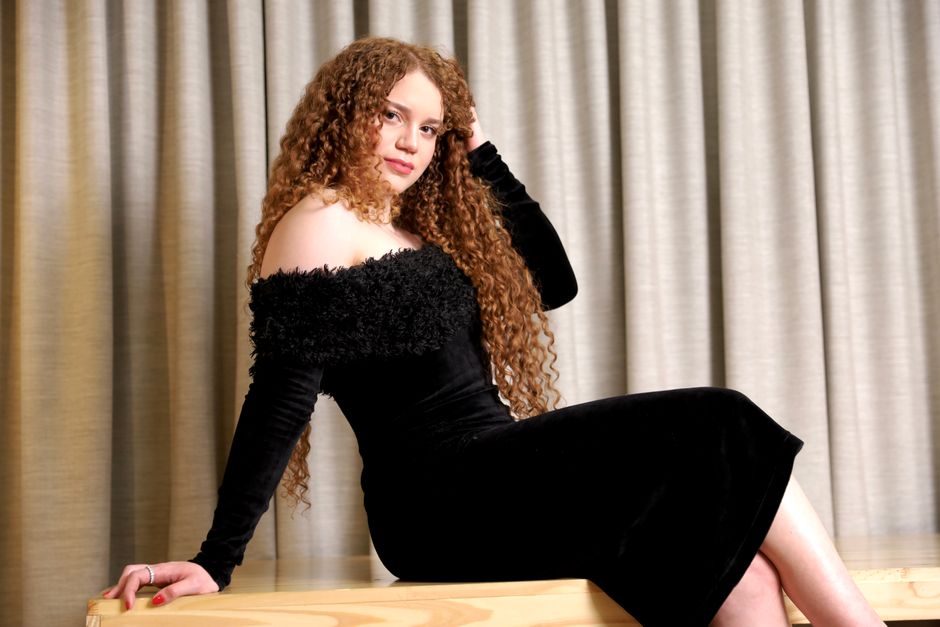
Long sleeve velvet bridesmaid dresses can work across fall and winter wedding settings when the fit, lining, activity level, and venue conditions are considered together. Check upper-arm and shoulder mobility, compare measurements rather than relying on a usual size, and choose colors from swatches viewed in natural and venue lighting. Velvet needs careful steaming and alteration planning because its pile can retain marks.
Are long sleeve velvet bridesmaid dresses too hot for an indoor fall wedding?
Not automatically: warmth depends on the room, the dress construction, fit, and activity, so the venue and garment have to be evaluated together. The 2023 review Clothing Thermophysiological Comfort: A Textile Science Perspective identifies clothing insulation, air temperature, relative humidity, air velocity, radiant temperature, and metabolic heat production as factors in thermal comfort.
That framework matters for a wedding day because a stationary ceremony, outdoor portraits, and dancing create different conditions. A lined dress with close-fitting sleeves may feel different in a warm reception room than it does outside; the review also describes the air gap between skin and clothing as a dominant factor in heat and moisture transfer. Try the dress with its intended undergarments and consider how much movement the schedule requires.
Velvet is not one uniform fiber: the University of Nebraska–Lincoln Extension explains that modern velvet may be made from cotton, rayon, acetate, nylon, polyester, or blends. Fiber content and construction therefore matter alongside the word “velvet” on a product description. Ask the retailer for fabric and lining details, and do not assume the fabric name alone predicts comfort.
How should a long sleeve velvet bridesmaid dress fit through the arms and shoulders?
A long sleeve velvet bridesmaid dress should allow full shoulder and arm movement without pulling, pinching, or tension across the upper arm. Check it in the posture and actions the wearer will actually need: arms raised, seated, reaching forward, and dancing. A sleeve that looks smooth with arms down may restrict movement once the shoulder rotates.
New Mexico State University Cooperative Extension recommends comparing body measurements plus garment ease with the garment or pattern measurements. Its fit guide specifies measuring the upper arm at its fullest part, the elbow with the arm bent, and sleeve length with the arm bent. Take these measurements over well-fitting undergarments with a non-stretch tape held snugly, not tightly. The guide notes, “The amount of ease in a pattern will vary from fashion to fashion and from one brand of pattern to another.”
In practice, request the brand’s garment measurements and size chart before ordering, then compare them with the wearer’s measurements. A familiar size is only a starting point, not a reliable fit guarantee across brands. If possible, try a sample in the intended size and test it while sitting and moving; check shoulder seams, bicep room, elbow comfort, and sleeve length as a set rather than treating the sleeve as an isolated detail.
Should bridesmaids size up if velvet sleeves feel tight?
Not by default: first identify where the tightness occurs and compare the body and garment measurements, because sizing up can change the fit through the shoulders, bodice, and length as well as the sleeve. If the upper arm is the constraint, a larger overall size may solve that point while leaving extra volume elsewhere. The available sources do not provide a universal amount of ease or a brand-independent sizing rule.
Arrange a sample or fitting early enough to evaluate both movement and the retailer’s return policy. Test the dress with the undergarments intended for the wedding, bend the elbow, reach forward, sit, and raise the arms. If the dress remains restrictive, ask a qualified alteration professional whether the seam construction allows a change; velvet can slip during construction, and stitches removed from it may leave marks.
For the group order, confirm whether the color is available across the required size range, whether samples can be returned, and how much time is allowed for fittings and alterations. The provided sources do not publish retailer policies, size availability, alteration prices, or lead times, so these need direct confirmation from the seller and alteration professional.
Can velvet bridesmaid dress sleeves be shortened without damaging the fabric?
They can sometimes be shortened, but the fabric and sleeve construction determine what an alteration can safely achieve; the sources do not guarantee that every velvet sleeve can be hemmed without visible effects. The University of Nebraska–Lincoln Extension advises making fitting changes on the pattern before fabric is cut where possible, because velvet can slip and removed stitches may leave marks. Its specialist’s practical warning is direct: “Make any fitting changes on the pattern before laying out and cutting. Ripped out stitches leave marks.”
For an already-made dress, take it to an alteration professional familiar with pile fabrics and ask them to inspect the sleeve hem, lining, and available seam allowance before work begins. Confirm the desired sleeve length while wearing the shoes and undergarments planned for the event. Do not assume a sleeve can be shortened like a smooth, flat fabric without regard to the pile.
Care after fitting matters too. New Mexico State University Cooperative Extension’s Pressing Pointers says velvet should be steamed rather than pressed directly. It recommends holding an iron about 1/2 inch above the fabric; alternatively, work from the wrong side with the pile resting on a Turkish towel, self-fabric, or needle board. Heat, moisture, and pressure vary by fiber, weave, texture, and finish, and incorrect pressing can flatten velvet or make it shiny. Follow the garment care instructions and test any treatment on an inconspicuous area with professional guidance.
How to compare fit and care choices
| Option | Who it suits | Cost | Key limitation |
|---|---|---|---|
| Compare body and garment measurements before ordering | Anyone choosing among sizes or brands | not published | Requires accurate garment measurements; sizing varies by brand |
| Try a sample and test movement | Bridal parties able to request a sample | not published | Sample availability and return terms are not published |
| Adjust the pattern before cutting | Custom sewing or a garment still at the pattern stage | not published | Not applicable to a finished dress |
| Shorten a finished sleeve | Wearers whose sleeve length needs adjustment | not published | Construction and pile may limit alteration; removed stitches can leave marks |
| Steam rather than press directly | Velvet needing wrinkle care | not published | Heat and moisture need to suit the specific fiber and finish |
Coordinate color across complexions and lighting
Choose a color family first, then compare actual swatches on the people who will wear the dresses. New Mexico State University Extension’s Determining Personal Colors recommends considering skin, eye, and hair color, while emphasizing that there are no fixed rules. It also advises assessing colors without makeup in natural or incandescent light because fluorescent lighting can alter their appearance.
The color study by Perrett and Sprengelmeyer, Clothing Aesthetics: Consistent Colour Choices to Match Fair and Tanned Skin Tones, found preferences for red and blue hues in two experiments involving 96 and 75 observers. Cool blues were more often selected for images of women with fair skin and warm orange-red hues for images of women with tanned skin. But the study used images of only six fair- and six tanned-skinned White women; it cannot establish rules for the full range of complexions.
For a bridal party considering emerald, black, or other deep shades, the useful method is a lighting test, not a complexion formula. View the swatch in daylight and at the venue, then judge whether the shade works alongside each wearer’s features and the group palette. If a single shade does not suit everyone’s preference, coordinated tones within an agreed palette can preserve cohesion without requiring identical effects on every complexion.
Frequently Asked Questions
Which velvet dress styles work well for different body shapes?
There is no single velvet silhouette that suits every body shape. The University of Nebraska–Lincoln Extension recommends simple, classic garment lines because decorative details can disappear in velvet’s pile; compare the actual garment measurements and how the dress moves on the wearer rather than choosing by label alone.
How can a bridal party coordinate velvet colors when everyone has a different complexion?
Start with a shared color family or coordinated shades, then view swatches against each wearer in natural light and under the venue lighting. New Mexico State University Extension notes that skin, eye, and hair color can inform clothing choices, but there are no fixed rules; a study on color preferences also cautions that its limited sample cannot establish rules for all complexions.
What should bridesmaids wear under a lined velvet dress?
Choose well-fitting undergarments similar to those you will wear at the wedding when taking measurements and testing the dress. Check that the lining and underlayers do not restrict arm movement or add unwanted warmth, since clothing fit and the air gap between skin and garment affect heat and moisture transfer.
Sources
- University of Nebraska–Lincoln Extension, Sewing with Velvet
- New Mexico State University Cooperative Extension, Check Your Pattern for Proper Fit
- New Mexico State University Cooperative Extension, Pressing Pointers
- University of Alberta and University of Toronto researchers, Clothing Thermophysiological Comfort: A Textile Science Perspective
- New Mexico State University Cooperative Extension, Determining Personal Colors
- Perrett and Sprengelmeyer, Clothing Aesthetics: Consistent Colour Choices to Match Fair and Tanned Skin Tones
Keep reading
White Long Sleeve Wedding Dress: Fit and Fabric Guide
Choose a white long sleeve wedding dress by checking fabric, lining, opacity, and movement for comfort across the full wedding day.
Long Sleeve Cocktail Dress for Wedding: Choose the Right One
Choose a long sleeve cocktail dress by matching its length, fabric, color, and coverage to the wedding dress code, season, and venue.
How Do You Choose a Long Sleeve Maxi Dress for a Wedding Guest?
Choose a long sleeve maxi dress wedding guest outfit that matches the dress code, venue, and practical needs of the event.
How Do I Choose Earrings for Sensitive Ears?
A symptom-first guide to choosing earrings for sensitive ears, with nickel, fit, material, and closure checks.