
How Do I Store and Pack Jewelry Without Tangling It?
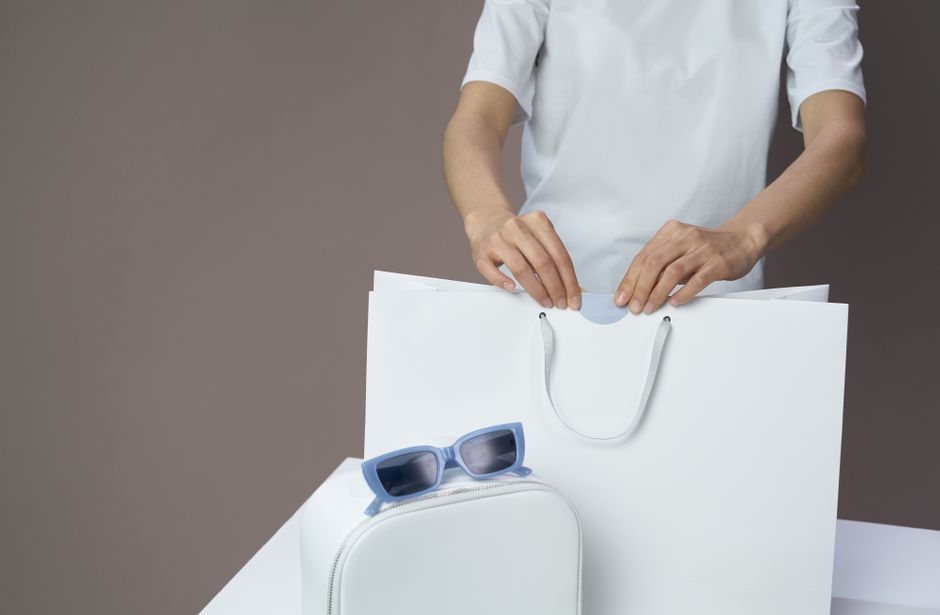
Keep pieces separate at home and in transit: fasten chains, lay them flat or thread them through straws, and place each item in its own pouch or compartment. For travel, pack jewelry in a carry-on, away from toiletries, and check clasps and settings first. At home, use a divided, soft-lined organizer and store delicate pieces where they will not rub against one another.
How do I pack necklaces so they do not tangle?
To pack necklaces without tangling, fasten each chain and keep it physically separated from other chains. The Gemological Institute of America (GIA) recommends threading chains through drinking straws to help prevent tangles and damage during travel. Its advice is specific and easy to apply: feed the chain through the straw, then close the clasp so the necklace stays together as one unit.
For chains that do not fit a straw, place each necklace in its own labeled plastic bag or soft pouch. Keep the clasp outside the bag and close the top around the chain if that helps keep it straight. The goal is to stop necklaces from crossing paths; overlapping chains can knot, and some chain types can kink.
Cartier also advises closing chains and laying them flat to avoid knots. That makes a flat pouch or a compartmented case a good fit when you want a simple system without adding another packing step. At home, hanging necklaces can reduce overlap, while a soft-lined case works well for pieces that should stay protected in a drawer.
What is the best way to travel with jewelry safely?
The best travel setup is compact, separated, and kept with you: inspect each piece, protect it in its own space, then carry it in your carry-on rather than checked baggage. GIA recommends carry-on storage and advises checking settings and clasps before packing. A quick inspection can help you notice a loose setting or clasp before a piece goes into a bag.
Use this packing sequence:
- Check first. Look over clasps, settings, and chain links for visible signs of wear. The National Association of Jewellers lists loose clasps and rough chain or bracelet links among the signs to watch for.
- Separate by piece. Put each item in an individual pouch, labeled bag, or its own compartment. GIA suggests individual bags or a sturdy pill box to keep jewelry apart from other contents.
- Choose protection for the piece. Use a soft cloth pouch for general protection. Keep pearls separate, and do not store pearl jewelry in plastic bags; GIA warns that plastic can damage their surface.
- Pack jewelry in your carry-on. Keep it out of checked baggage, as GIA recommends, and pack toiletries separately to reduce the risk of leaks reaching the jewelry.
A travel pouch is convenient when the collection is small and you want pieces grouped together. A compartment organizer gives each item a defined place, which is useful when you are packing several kinds of jewelry. Individual small bags are a flexible, low-cost option for occasional trips, but label them so a small earring or ring does not disappear among other belongings. The best choice is the one that keeps each piece apart and stays easy to manage in your bag.
Can I use small bags to keep jewelry separated in a suitcase?
Yes. Small bags can separate jewelry in a suitcase, and GIA specifically suggests placing each piece in its own labeled plastic bag. For general travel, soft cloth pouches are another useful option: GIA notes they protect jewelry while remaining breathable. Choose the container based on the material and shape of the piece, not just on what fits in the suitcase.
Use a small bag for a single pair of earrings, a bracelet, or a chain that has already been fastened. A sturdy pill box can separate smaller pieces and protect them from other contents. If using a divided case, look for enough individual sections to prevent pieces from touching; Jewelers of America recommends cases with many small compartments rather than a few large ones.
Keep pearls out of plastic bags and store them separately from harder pieces that could scratch them. GIA says pearls are sensitive to storage conditions and specifically recommends a breathable pouch rather than plastic for travel. As a simple rule, the container should prevent movement and contact while suiting the material inside.
At home, carry the same separation system into daily storage. GIA advises against tossing jewelry into a drawer or onto a dresser, where pieces can scratch one another or gems can be damaged. Use a soft-lined box, padded slots, hangers, or original boxes and pouches; keep sterling silver in an anti-tarnish bag or cloth. Pearls and opals draw moisture from the air, so very dry storage can sometimes harm them.
Jewelers of America suggests an accessible tray or small jewelry box for everyday pieces, and one clear pouch per pair of earrings helps keep posts from scratching other earrings. After wearing a piece, wipe it with a clean, soft, slightly damp cloth, then return it to its own space. Fasten chains before storage, and keep jewelry away from sunlight, excessive heat, and damp conditions, as the National Association of Jewellers advises.
Frequently Asked Questions
How should I store bracelets and earrings at home?
Keep bracelets and earrings in separate padded compartments or individual soft pouches so they do not rub against other pieces. A small, accessible tray can hold everyday items; use one clear pouch per pair of earrings to help prevent posts from scratching other earrings.
How do I prevent delicate chains from kinking or breaking in storage?
Fasten each chain before storing it, then lay it flat or hang it so it cannot overlap with other necklaces. For travel, thread a chain through a drinking straw to keep it separated; check clasps and links for signs of wear before packing.
Before your next trip, choose one container for each jewelry type and run the same quick check at home: fasten the chains, separate the small pieces, and put everything back in its assigned place.
Sources
- Gemological Institute of America: Traveling with Jewelry
- Gemological Institute of America: Traveling in Style with Jewelry
- Gemological Institute of America: Tips for Caring for Jewelry
- National Association of Jewellers: Caring for Jewellery
- Jewelers of America: Jewelry Care
- Cartier: Day-to-Day Jewelry Care Recommendations
Keep reading

How to Judge the Nymph Bikini’s Fit, Support, and Value
Check Nymph bikini sizing, underwire support, adjustable coverage, reviews, and return details before you buy.

Why Does My Measured Bra Size Still Feel Wrong?
Troubleshoot bra fit symptoms with sister sizing, breast-shape checks, and a practical try-on protocol.

How Do I Choose My First Swiss Watch?
Choose a first Swiss watch by fit, movement, buying channel, paperwork, and the real maintenance costs that follow.
How Do I Choose Earrings for Sensitive Ears?
A symptom-first guide to choosing earrings for sensitive ears, with nickel, fit, material, and closure checks.