
What Should I Eat for Breakfast, Lunch, and Dinner to Be Healthy?
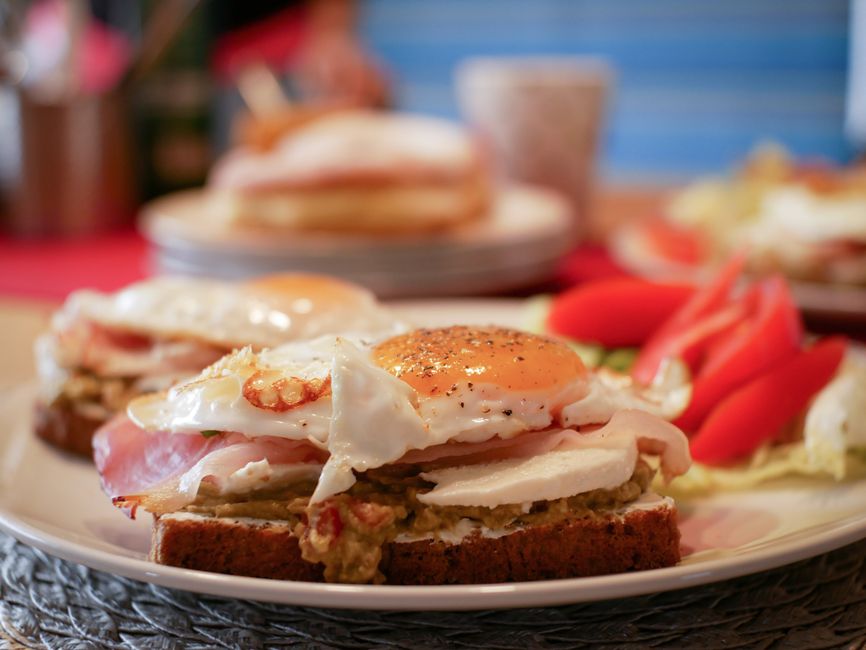
Build each meal around a flexible plate: make about half vegetables and fruit, one quarter whole grains, and one quarter lean protein, then rotate the ingredients and formats across the week. This approach creates balanced breakfasts, lunches, and dinners without requiring identical meals, calorie-by-calorie tracking, or a separate menu for every person at the table.
The puzzle is that variety and consistency appear to pull in opposite directions. They do not. Consistency belongs in the structure; variety belongs in the food placed inside it. A meal plan fails when it treats either principle as optional.
What should I eat for breakfast, lunch, and dinner to be healthy?
Healthy breakfast, lunch, and dinner can all use the same basic architecture: vegetables and fruit occupy about half the plate, whole grains about one quarter, and lean protein about one quarter. That is the American Heart Association balanced-plate framework, and it is more useful as a design rule than as a rigid serving diagram.
Breakfast does not need to resemble dinner. It needs the same categories in a workable form. Oats with fruit and peanut butter, for example, combine a whole grain, fruit, and a protein-food equivalent. Eggs with vegetables and a corn tortilla create a savory alternative. Yogurt or fortified soy yogurt with fruit and whole-grain cereal is another workable structure. The USDA counts one egg, one tablespoon of peanut butter, and one-quarter cup of cooked beans, peas, or lentils as protein ounce-equivalents; it counts one slice of bread or one-half cup of cooked rice, pasta, or cereal as a grain ounce-equivalent.
For lunch, assemble components rather than chasing a particular recipe: a grain bowl with vegetables, beans or fish, and pre-cooked rice; a whole-grain wrap with lean protein and vegetables; or a substantial salad with a grain and a protein. Beans and fish are especially useful choices because the American Heart Association identifies them as protein options that help minimize saturated fat.
Dinner can use the same parts in a different arrangement: roasted vegetables with fish and rice, a bean-and-vegetable soup alongside whole-grain bread, or a vegetable-forward stir-fry with lean poultry and a grain. The point is not culinary novelty for its own sake. It is to keep the nutritional logic constant while changing the sensory experience.
| Meal | Plate-building template | Ways to rotate it |
|---|---|---|
| Breakfast | Fruit or vegetables + whole grain + protein food | Oats, tortillas, cereal, eggs, beans, yogurt, fortified soy yogurt |
| Lunch | Vegetables + whole grain + lean protein | Bowls, wraps, salads, soups |
| Dinner | Vegetables and fruit + whole grain + lean protein | Sheet-pan meals, stir-fries, soups, plated meals |
Frozen produce is not a fallback to be apologetic about. The American Heart Association notes that frozen fruits and vegetables are often packaged when ripe and nutrient-rich. Canned and dried produce can also fit; compare labels for added sugars and sodium. For packaged ingredients, a practical next step is understanding what must be on a packaged food label in the U.S..
How can I plan a full day of meals without counting every calorie?
Plan by food groups over two or three days, not by forcing every meal to hit a perfect numerical target. The American Heart Association states that people can eat more from one food group at one meal and fewer at another, so long as recommended daily amounts are met on average over that short period. This is the central escape hatch from exhausting meal arithmetic.
Published examples are reference points, not universal prescriptions. For a 2,000-calorie eating pattern, the American Heart Association lists 2.5 cups of vegetables, 2 cups of fruit, 3 to 6 ounces of grains with at least half whole grains, and 5.5 ounce-equivalents of protein foods per day. A USDA MyPlate example at 2,600 calories lists different amounts: 2 cups of fruit, 3.5 cups of vegetables, 9 ounces of grains, 6.5 ounces of protein foods, and 3 cups of dairy or fortified soy alternatives. The difference is not a contradiction; it shows why a single set of portions cannot serve every eater.
Use these figures as a calibration device. If lunch contains few vegetables, make dinner vegetable-forward. If breakfast is grain-and-fruit heavy, choose beans, fish, or another lean protein later. If a meal includes dairy or a fortified soy alternative, that can contribute to that food group; USDA defines one cup of milk, yogurt, fortified soy milk, or fortified soy yogurt as one dairy cup-equivalent.
Three sample day patterns show how the system holds without producing the same menu repeatedly:
- Early schedule: oats with fruit and peanut butter; a vegetable-and-bean grain bowl at lunch; fish, roasted vegetables, and rice at dinner.
- Portable-day schedule: yogurt or fortified soy yogurt with fruit and whole-grain cereal; a whole-grain wrap with lean protein and vegetables; bean-and-vegetable soup with whole-grain bread.
- Heartier-appetite schedule: eggs, vegetables, and a corn tortilla; a rice bowl with vegetables and seafood; lean poultry with vegetables and a whole grain.
Meal planning has evidence behind it, but its limits matter. In a cross-sectional study of 40,554 NutriNet-Sante participants, people who planned meals had higher odds of being in the highest quartile for diet quality and food variety than non-planners. The study cannot prove that planning caused those outcomes. It does establish a more modest and useful conclusion: planning is associated with a more varied, higher-quality diet, not a guarantee of one.
What makes a breakfast, lunch, and dinner balanced?
A balanced meal combines the major food-group roles rather than assigning moral status to individual foods: produce supplies a large share of the plate, whole grains provide a grain component, and lean protein supplies the protein component. The Dietary Guidelines for Americans add the governing principle: emphasize nutrient-dense foods and beverages while staying within calorie limits, and customize the pattern for preference, culture, and budget.
That last clause prevents a common planning error. A meal is not unbalanced because it is a familiar family dish, inexpensive, or built from convenience foods. It becomes harder to balance when one category crowds out all the others repeatedly. A rice-based dinner can work when vegetables and lean protein share the plate. A bean-based meal can work even when meat is absent. A breakfast can be savory, sweet, hot, cold, cooked, or assembled from ready-to-eat components.
Fat deserves the same structural thinking. The federal guidance for people age 2 and older recommends limiting saturated fat to less than 10% of daily calories and replacing it with unsaturated fats. This does not require turning dinner into an accounting exercise. It does mean that choosing beans, fish, and other lean protein options regularly gives the menu a sounder default.
Leftovers solve variety only if they change roles. Roast extra vegetables at dinner, then fold them into eggs at breakfast or use them in a lunch wrap. Cook a grain once, then serve it warm beside dinner and cold in a lunch bowl. Prepare beans for one meal, then turn them into a soup or filling later. Same components; different dish. That distinction is what keeps planning from becoming repetition.
The practical principle is blunt: repeat the system, not the meal. Build a plate, review the last two days rather than the last two bites, and choose the next format according to what has not yet appeared.
Frequently Asked Questions
How do I avoid getting bored with healthy meal plans?
Keep the meal structure stable while changing the components: rotate vegetables, proteins, grains, herbs, sauces, and formats. Variety is a robust driver of food intake, according to a systematic review of food variety, so direct it toward nutrient-dense foods rather than building variety around sweets or highly processed snacks.
Can I make healthy meals when my family wants different foods?
Yes. Serve shared components such as vegetables, a whole grain, and a protein, then let each person assemble them in a preferred format, such as a bowl, wrap, salad, or plate. The Dietary Guidelines for Americans explicitly support adapting nutrient-dense choices to personal preferences, cultural traditions, and budgetary considerations.
Sources
- American Heart Association: Deliciously Balanced Plate
- American Heart Association: Suggested Servings From Each Food Group
- USDA MyPlate Plan
- Dietary Guidelines for Americans: Most Popular Questions
- PubMed: Meal Planning, Food Variety, Diet Quality and Body Weight Status
- PubMed: Effect of Food Variety on Intake of a Meal