
What Fast, Make-Ahead Appetizers Stay Appealing Without Using the Oven?
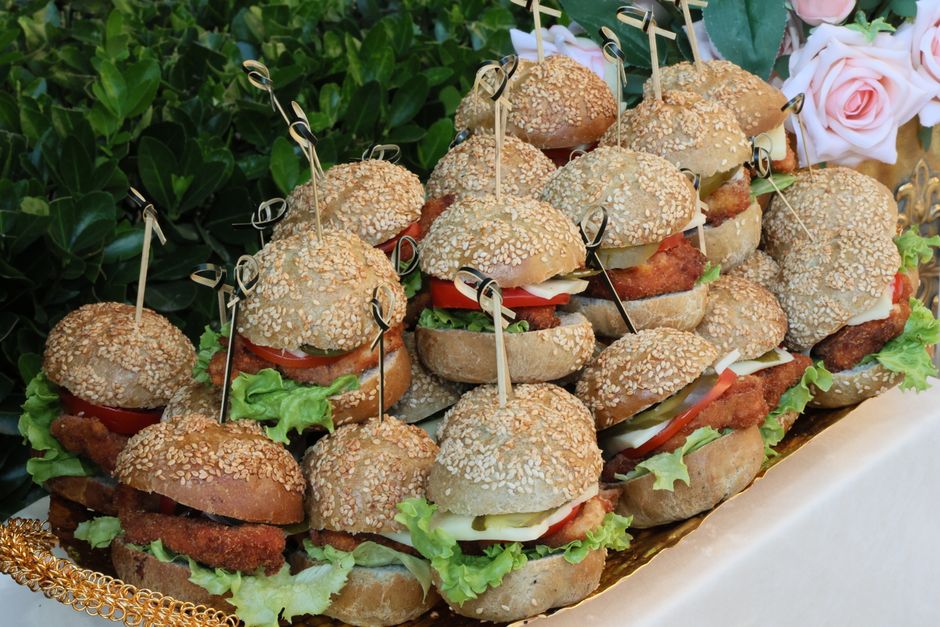
Choose cold dips, spreads, and one- or two-bite assembled appetizers, then serve them in small batches rather than covering a table at once. Make dips and spreads one to three days ahead, keep cold food at 40 F or below, and use ice or replacement platters during the party. For hot options, rely on a slow cooker, chafing dish, or warming tray instead of oven space.
The apparent puzzle is that the fastest party food is often not the food that can be cooked fastest. It is the food whose quality is stable before guests arrive. A host gains time by separating preparation from service: make the components early, store them safely, and use the serving table as a controlled handoff rather than a permanent display.
What appetizers can I make the night before a party?
The best night-before appetizers are refrigerated dips and spreads, including the University of Arkansas System Division of Agriculture Cooperative Extension Service's cranberry spread, which can be covered and refrigerated for up to two days before serving. The Extension Service makes the broader point plainly: dips and spreads can improve after two or three days in the refrigerator. That makes them unusually efficient party food: preparation is finished before the event, while flavor has time to develop.
Build the menu around that property. Put the make-ahead element in a covered container; keep the crisp or delicate accompaniment separate until service; assemble only the amount that belongs on the first small platter. The point is not culinary theater. It is preventing a good appetizer from becoming a soggy or warm one because it was exposed too early.
| When | What to do | Why it matters |
|---|---|---|
| One to three days before | Prepare refrigerated dips and spreads; store the refrigerator at 40 F or below. | Flavor can improve with refrigerated holding, while safe storage preserves the make-ahead advantage. |
| Before guests arrive | Port food into several small, covered platters or bowls. | Fresh replacement dishes are ready without last-minute cooking. |
| During the party | Set out one small portion at a time and replace it when needed. | Food spends less time losing temperature and texture on the table. |
For cooked food made ahead, the USDA Food Safety and Inspection Service advises using shallow containers for rapid cooling, using most leftovers within three to four days, and reheating to 165 F. The supplied guidance supports freezing at 0 F or below, but it does not provide recipe-specific freezer-to-oven directions. Do not invent that missing step: follow the instructions for the particular prepared product or recipe instead.
Which easy appetizers do not need to be reheated?
Cold dips, spreads, and chilled one- or two-bite platters do not need reheating; they need temperature control and deliberate replenishment. This is the distinction that saves oven space. A cold appetizer does not become low-maintenance merely because it is served cold: once it sits out, the quality and safety clock has started.
The U.S. Food and Drug Administration recommends preparing several small platters in advance and replacing serving dishes throughout the event, rather than setting out all food at once. It also says not to refill a partly used dish; replace it with a freshly filled one. That rule improves more than sanitation. It keeps the reserve food protected in the refrigerator, where it remains more appealing than food that has been repeatedly exposed to a busy buffet table.
Cold food should stay at 40 F or below, according to the FDA and USDA. The Arkansas Extension source uses the slightly stricter threshold of 39 F or colder. In practice, use 40 F as the maximum and keep a safety margin when possible. If cold dishes will be out longer than two hours, the FDA says to place them on ice; the University of Minnesota Extension describes the practical version: nest the dip bowl inside a larger bowl filled with ice.
Use a simple service sequence: reserve, display, replace. Reserve most food under refrigeration. Display a small portion. Replace the used vessel with a clean, freshly filled one rather than topping it up. This sequence is also a useful planning principle for hosts handling other event details, including the operational questions covered in How Can Independent Event Planners Protect Their Business Before Accepting Clients?.
What can I serve that will not fill guests up before dinner?
Serve one- or two-bite hors d'oeuvres in controlled quantities, and plan them for the length and purpose of the event rather than treating every gathering as a meal. University of California, Irvine Special Events and Catering recommends 4 to 6 hors d'oeuvres per person per hour for a cocktail hour before dinner. Its guidance also specifies one- or two-bite pieces, which makes mingling easier and constrains portions without making the table look sparse.
By contrast, a standalone cocktail reception needs more food: UCI recommends 5 to 7 pieces per person per hour plus 1 to 2 stationary displays. For a four-hour party, the Arkansas Extension guidance reaches roughly 12 appetizers per guest: about 8 for the first two hours and 4 for the next two. These are different service models, not contradictory numbers. The first is a pre-dinner interval; the latter is a longer party where appetizers carry more of the occasion.
| Event format | Planning guide | Hosting implication |
|---|---|---|
| Pre-dinner cocktail hour | 4 to 6 hors d'oeuvres per person per hour | Use small, one- or two-bite portions so dinner remains the meal. |
| Standalone cocktail reception | 5 to 7 pieces per person per hour, plus 1 to 2 stationary displays | Provide greater variety and enough replenishment capacity. |
| Four-hour party | About 12 appetizer pieces per guest total | Prepare a larger reserve, but still serve it in small batches. |
The operational conclusion is blunt: portion planning and food holding are the same problem viewed at different moments. Buy or prepare the right total amount, but do not put the total amount on the table. The University of Minnesota Extension identifies 41 F to 135 F as the temperature range where bacteria can grow rapidly, and advises serving portions that will be eaten before their temperature changes. Hot food belongs in a chafing dish, slow cooker, or warming tray at 140 F or warmer; cold food belongs on ice or in frequently replaced small dishes.
For a party built around dinner, the winning menu is therefore not the largest assortment. It is a short system: a make-ahead spread, cold small-bite platters, a protected reserve, and a serving cadence. That system protects the oven, the host's time, and the appetite guests brought for dinner.
Frequently Asked Questions
How many appetizer servings should I make per person?
For a pre-dinner cocktail hour, the University of California, Irvine guidance recommends 4 to 6 hors d'oeuvres per person per hour. For a standalone cocktail reception, it recommends 5 to 7 pieces per person per hour plus 1 to 2 stationary displays. The University of Arkansas Extension offers a useful longer-event benchmark: about 12 appetizer pieces per guest over four hours.
What are easy appetizers for a crowd with no oven space?
Cold dips, spreads, and small chilled platters are the most direct answer because they do not require reheating. For hot food, use a slow cooker, chafing dish, or warming tray rather than the oven, and hold it at 140 F or warmer. Prepare several small servings in advance so replacements are ready when the first platter is removed.
Sources
- University of Arkansas System Division of Agriculture Cooperative Extension Service
- U.S. Food and Drug Administration: Serving Safe Buffets
- USDA Food Safety and Inspection Service: Steps to Keep Food Safe
- University of California, Irvine Special Events and Catering Guidelines
- University of Minnesota Extension: Food Safety Tips for the Holidays
Keep reading
How Do I Choose a Nearby Sit-Down Restaurant for My Occasion?
A practical framework for choosing a nearby sit-down restaurant using menus, maps, reservations, and recent reviews.
What Should I Eat for Breakfast, Lunch, and Dinner to Be Healthy?
Build flexible, balanced meals with rotating ingredients, practical templates, and a plan that avoids calorie-by-calorie tracking.
How Should I Choose, Size, and Serve Finger Foods for a Party?
A practical guide to calculating party finger food quantities, building balanced menus, and serving safely for standing guests.
How Can I Make Healthy Meals That Actually Taste Good?
A practical, evidence-based guide to making healthy meals flavorful, satisfying, and worth cooking again.